

What if a good half term isn't about filling every hour, but about choosing one or two things that suit your child? That's the gap in most lists of half term ideas. They assume every child wants a busy club, a noisy day out and a packed timetable, when your child might be longing for quiet, movement, or time to finish something at their own pace.
On the first Monday morning, that pressure can feel heavy. You don't want screens to swallow the week, you don't want costs to spiral, and you don't want a meltdown by Tuesday because everyone's overtired. A child who found the term hard may need rest and connection first, while another needs to burn off energy or rebuild confidence after feeling left behind.
So these eight ideas are grouped so you can match them in seconds by age, setting, budget and SEN or SEMH adaptability. Each one includes a practical example and gentle ways to adapt it, whether you're at home, outdoors, or exploring indoor family adventures in London on a wet day. Pick what fits your child's mood and energy, leave the rest, and let the week feel kinder for both of you.
1. Autumn Nature Scavenger Hunt and Sketch Journal

Best for ages 4 to 12, outdoors or garden, free, highly adaptable. Your child hunts for conkers, fallen leaves, pinecones and bird calls, then records finds in a simple sketch journal. Movement comes first and writing stays optional, which helps children who find sitting still hard and need to feel successful quickly.
A gentle way to start
Write a 12 item checklist on the back of an envelope and add a sticker for each find. Later, your child can share a favourite sketch on a weekly call with family or an online class. A child who feels anxious about school might photograph finds instead of drawing them, then write three sentences about the one they loved most.
That small choice matters. Drawing, photographing or ticking a box all count, so your child isn't being tested. You're building observation, calm and pride in a page they designed themselves.
- Offer two or three formats: Let your child choose a notebook, loose pages or photos so they feel in control.
- Praise curiosity, not neatness: Say what you noticed about their looking, not how tidy the leaf looks.
- Ask one open question: Try, "What did you notice that surprised you?" to grow emotional vocabulary.
- Keep it short at first: Start with 20 to 30 minutes for younger children and extend as confidence grows.
For daily movement, the UK Chief Medical Officers' physical activity guidelines recommend children aged 5 to 18 complete an average of at least 60 minutes of moderate to vigorous activity each day. A scavenger walk in manageable blocks can contribute without turning exercise into a competition.
2. Family Cooking and Baking Projects
Soup bubbling, flour on small hands, something warm to share at the end. Best for ages 5 to 16, at home, low cost, adaptable with visual steps. Cooking gives your child a clear, step by step job and a result they can taste, which often feels grounding when schoolwork has felt stressful.
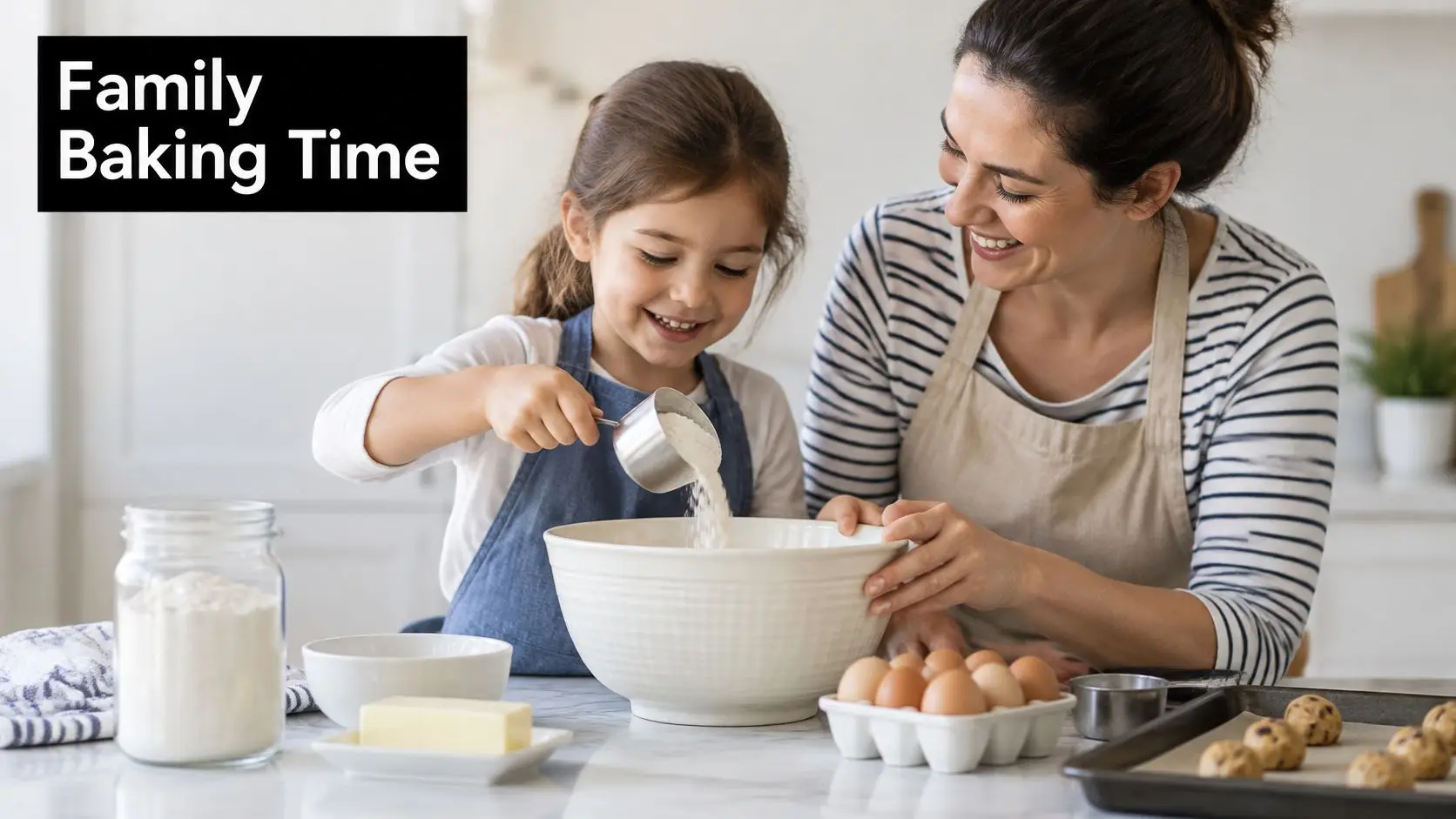
Say you make tomato soup together. Your eldest reads the recipe aloud, your youngest counts spoonfuls, and you handle the hot pan. A teenager preparing for GCSE Food Preparation and Nutrition could practise weighing and timing by baking flapjacks for neighbours, using easy baking recipes for first-time bakers as a starting point.
Making it feel manageable
- Choose fewer than six steps: Short recipes protect younger children from overwhelm.
- Set ingredients on a tray first: Your child can focus on one task instead of hunting through cupboards.
- Use a visual timer: This helps children with ADHD or time processing difficulties see what's next.
- Offer a real choice: Two or three recipe options build decision making and ownership.
Measuring supports maths and fractions, reading the method supports literacy, and watching ingredients change is early science in action. The Garden Museum's family programme includes free or low cost holiday workshops involving art and cooking for inspiration at home. Most of all, your child gets to say, "I made that," and to offer it to someone they love. That feeling of competence can lift a whole afternoon, especially after a term where they felt they couldn't keep up.
3. Stop-Motion Animation Project
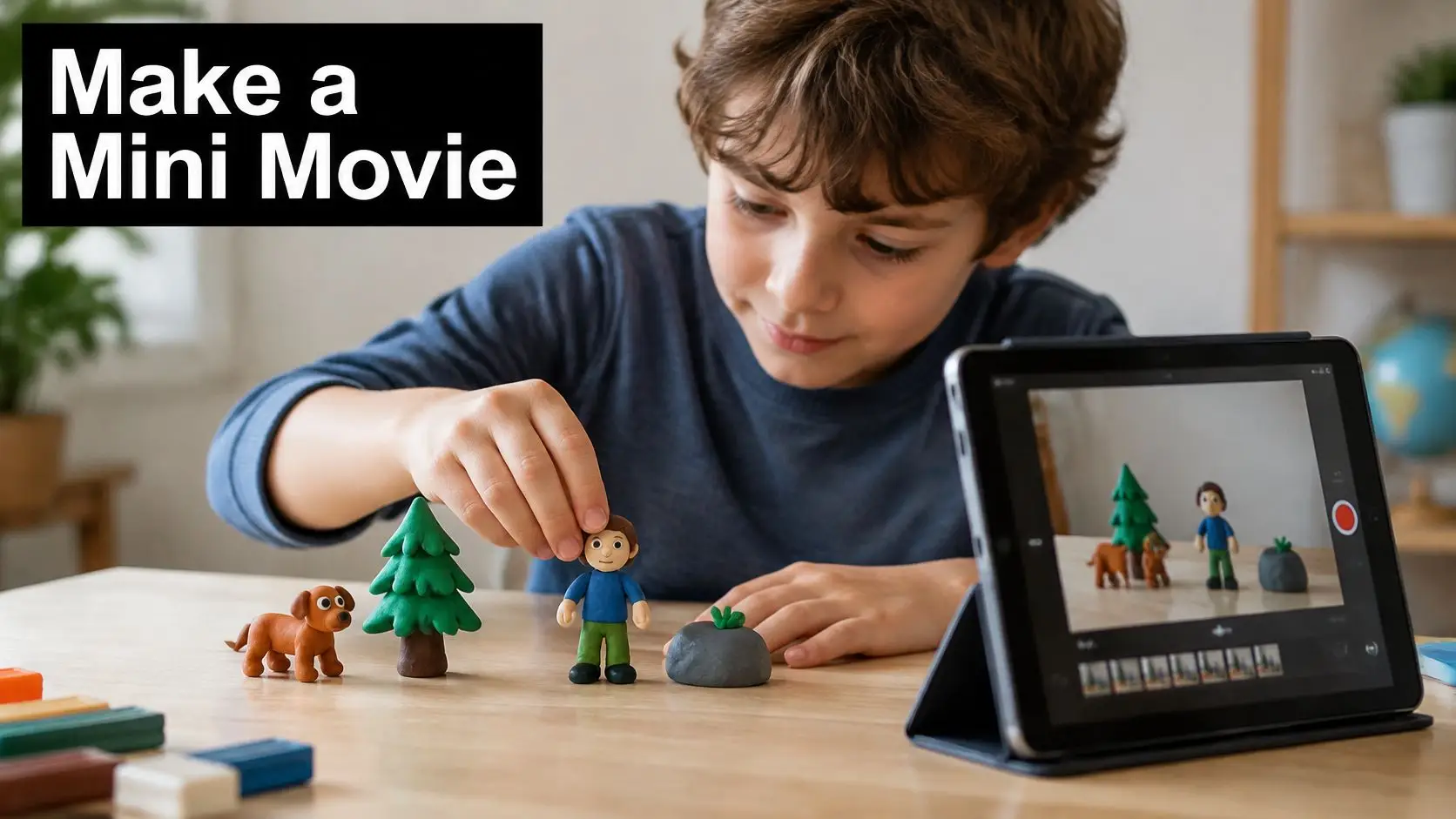
Your child photographs tiny changes to clay models, paper cut outs or favourite toys, then plays the images back as a film. Best for ages 7 to 16, indoors, free with a phone or tablet, adaptable in short sessions. Because progress appears frame by frame, a big creative task becomes a series of small, doable steps.
This short example shows how simple the set up can be at a kitchen table.
A nine year old might make a 30 second film about a clay dragon who learns to share, using photos taken across three afternoons. Siblings aged ten and thirteen could work as a team on a paper cut out film about the seasons and send it to grandparents overseas. Your child controls the characters and the ending, which gives them a creative voice when they don't always feel heard in class.
Keeping frustration low
Sketch a simple three scene story on paper before filming so your child knows where they're heading. Set a gentle rule of a small batch of photos per session, then watch the test together and celebrate the first moment it moves. That early win matters more than a polished finish.
Let your child narrate the final film aloud if they'd like to. It supports speech, sequencing and storytelling confidence without any red pen in sight.
Here's a child carefully setting up the next tiny movement.
Practical rule: Stop while it's still fun. A film your child wants to return to tomorrow teaches more patience than one finished through tears today.
4. Mindful Calm-Down Routine Practice
Best for ages 4 to 18, at home, free, especially supportive for SEMH needs. Half term gives you space, away from school pressure, to practise short ways of settling big feelings. You're not trying to make your child calm on demand. You're helping them notice what they feel, name it, and choose what might help next.
With a six year old, try five finger breathing each morning. They trace up one finger as they breathe in and down as they breathe out, while you do it alongside them. A teenager facing A Level revision might prefer a three minute body scan before they start, lying down and noticing tension from toes to shoulders.
Building a routine your child trusts
- Model it first: When you join in, it becomes a family habit, not a correction.
- Use a feelings chart: An emoji scale before and after helps your child name changes in their body.
- Choose a predictable spot: Soft lighting, a cushion and minimal noise signal safety.
- Keep it optional: Offer breathing, stretching or listening to sounds, and accept a no.
A calm routine works best when your child knows they can stop. Choice is what turns practice into a sense of control.
For children with SEMH needs, that predictability and control can be very reassuring. Practise when things are already fairly calm, keep sessions short, and praise your child for noticing their feelings at all. Over a week, you're giving them a small toolkit they can carry back into term time, and a reminder that their emotions aren't too much for you.
5. Family Science Investigation Weeks
Pick one question your child wonders about and test it together. Best for ages 6 to 16, at home, low cost, adaptable with picture recording sheets. Which material keeps ice frozen longest? How far does a paper plane fly? What happens with baking soda and vinegar?
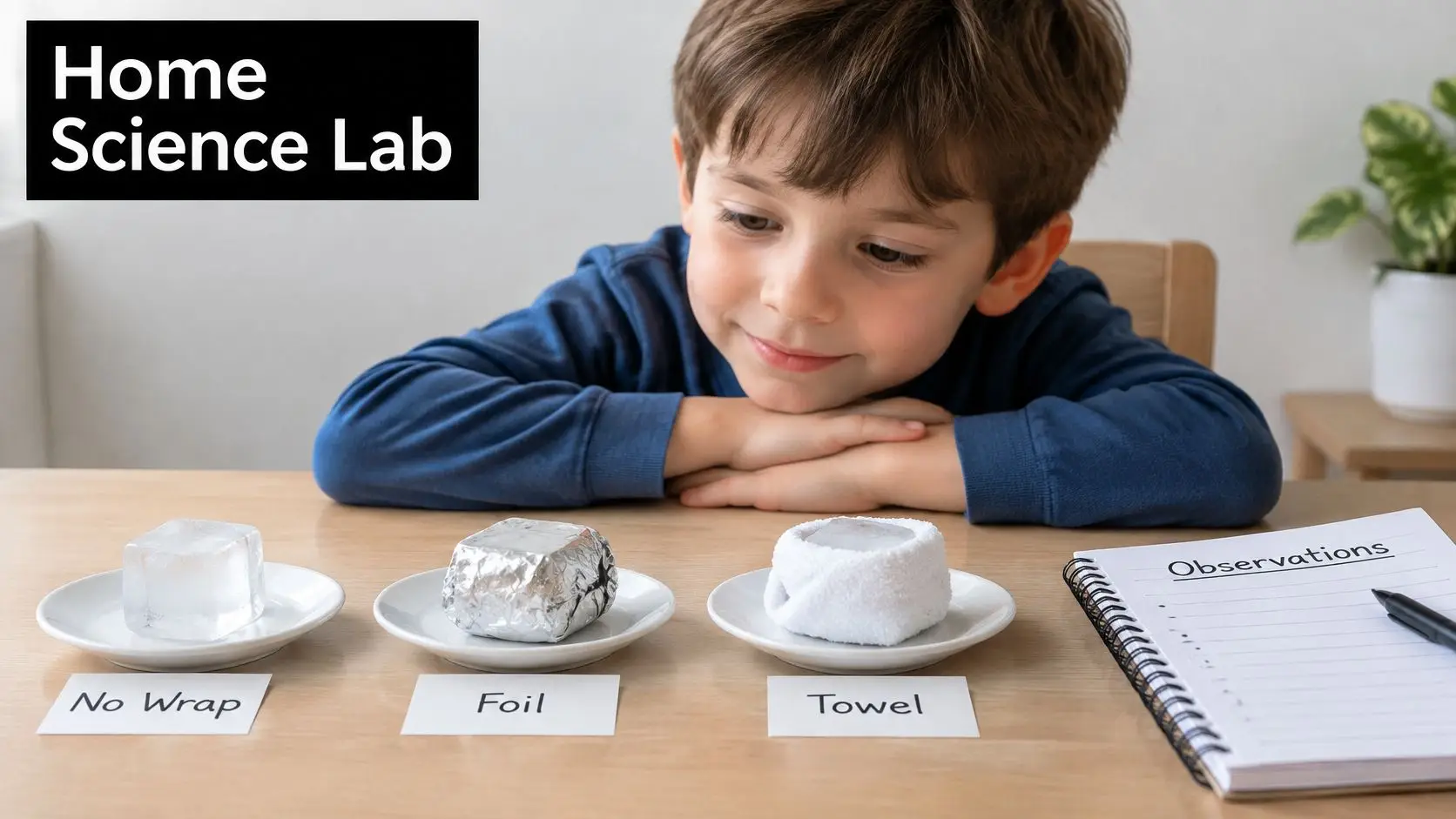
Your child could wrap ice cubes in cotton, wool and foil, time them, and draw a simple bar chart of the results. A Year 9 student might design a fair test on how ramp height affects how far a toy car travels, then write a short conclusion. You can find more starting points in our guide to science experiments at home, and curious older children may also enjoy chances to solve cases with Mystery Hunch as a logic based extension.
Thinking like a scientist, gently
- Predict first: Celebrate the prediction whether it's right or wrong.
- Change one variable: That keeps results clear and arguments friendly.
- Record: Pictures, tallies or a photo timeline work well for younger children.
- Reflect together: End with, "What surprised you?" to build openness.
Hands on venues show the same principle works out of the home too. The National Maritime Museum's half term programme advertised free, no booking sessions including building a moving solar system and making a Victorian thaumatrope. When an experiment flops, your child learns that not knowing yet is part of discovery, not failure. Feeling like a real scientist can be transformative for a child who doesn't see themselves as academic.
6. Library and Reading Challenge
What if the only target this half term was a book your child wanted to finish?
A seven year old might choose five picture books, earn a sticker for each, and read a favourite to a grandparent on a video call. That goal is theirs, not a class reading level. A teenager could try one new genre, or ten quiet minutes with a comic they picked. Same challenge, different age.
Match it in a glance: ages 4 to 16, library or home, free, and adaptable with audiobooks, comics, or a shorter visit when busy rooms feel too much. A shared chart on the fridge lets everyone see progress without comparing siblings. If reading has felt like a battle, this slower pace helps rebuild a positive relationship with books.
A library morning works like a soft landing. UK government guidance on free and affordable half term events highlights public libraries offering low or no cost activities, including story times and craft workshops. Preview photos together and agree a shorter visit if crowds worry your child. Home counts too: a blanket, the sofa, and a timer set for ten minutes.
Protecting enjoyment first
Choice comes before challenge. Comics, audiobooks and rereading favourites all count, which helps a child who finds print tiring or needs a quieter option. A time based goal feels kinder than a book count for a reluctant reader. Shared evening reading keeps the room calm, a bit like sitting side by side rather than being called to the front of the class. Ask, "Which character would you like to meet?"
For gentle ways to deepen understanding without worksheets, see our advice on how to improve reading comprehension. Reading builds vocabulary, empathy and concentration. This week, the simpler hope is that your child thinks, "Books can be for me."
7. Community Helper and Kindness Project
Small acts, chosen by your child, can change how they see themselves. Best for ages 5 to 18, home or local community, free or low cost, adaptable by group size and social demand. Making cards for care home residents, collecting items for a food bank drive, or helping a neighbour with gardening all build empathy, belonging and purpose.
An online class community might each write one kind sentence in handmade birthday cards for a local care home, so shy children contribute without performing. A 15 year old could volunteer at a community garden for three mornings and log hours and skills for a personal development record. For a child who sometimes feels different or left out, being the helper, not always the helped, can be powerful.
Starting small and safely
- Ask who they'd like to help: Children commit more when the idea starts with their heart.
- Check permission and safety first: Contact organisations yourself before your child gets involved.
- Talk about feelings afterwards: Ask how it felt during and after, and really listen.
- Keep the first project achievable: One card, one bag of donations, one hour weeding.
That reflective chat links naturally to everyday skills at home, and our guidance on conflict resolution techniques for kids can help when kindness projects involve siblings working together. The Northumbria University evaluation of the Holiday Activities and Food programme, based on responses from approximately 20,000 parents and carers, found 94% said their child tried new activities through holiday provision. Trying something new in service of others gives that novelty meaning. Your child isn't just busy. They're valued.
8. Virtual Global Pen-Pal and Cultural Exchange
Best for ages 8 to 18, online at home, free through a school led scheme, adaptable with voice notes or writing. Your child exchanges letters, short videos or photos with a child in another country and learns about daily life, food, games and traditions through real friendship.
A ten year old in England might swap voice notes with a child in Japan, comparing school lunches and sharing a video of a local festival. A teenager learning Spanish could write a monthly letter to a pen pal in Spain, practising vocabulary because they want to be understood. For a child who feels isolated among peers, a friendship built on shared curiosity can feel like a fresh start.
Keeping it safe and confidence building
- Use a supervised scheme: Choose a school led or age appropriate platform, never informal unsupervised contact.
- Provide conversation starters: "What's your favourite game?" reduces that blank page anxiety.
- Agree safe sharing rules: No home addresses, school names or personal details, and review messages together at first.
- Celebrate small milestones: The first reply and the first video deserve genuine excitement.
Remember this: Your child doesn't need perfect language or long letters. A short, kind message sent regularly builds connection far better than one polished page.
This kind of exchange helps your child see themselves as part of a wider world, with something interesting to offer from their own life. It builds cultural awareness and communication skills at home, at their pace. For children who find face to face socialising intense, writing or recording in their own time can feel safer and more thoughtful, and that safety helps confidence grow.
Half Term Activities at a Glance
| Activity | Best Age Range | Setting | Budget | SEN/SEMH Friendly |
|---|---|---|---|---|
| Autumn Nature Scavenger Hunt and Sketch Journal | Primary-age children | Garden, park, or woodland | Very low cost | Adaptable pace and sensory choices; drawing offers non-verbal expression |
| Family Cooking and Baking Projects | Primary-age children to teens | Home kitchen with adult supervision | Low cost; uses simple ingredients | Step-by-step tasks and visual timers can support different needs |
| Stop-Motion Animation Project | Older primary-age children to teens | Home or classroom | Low cost with a phone or tablet | Self-paced, visual activity with manageable steps |
| Mindful Calm-Down Routine Practice | Primary-age children to teens | Calm space at home or school | Free or very low cost | Supports emotional awareness; adapt and keep practice optional |
| Family Science Investigation Weeks | Primary-age children to teens | Home | Low cost; uses household materials | Clear steps and visual recording options support varied needs |
| Library and Reading Challenge | Primary-age children to teens | Library or home | Free or low cost | Can be tailored to interests and reading levels; audiobooks are an option |
| Community Helper and Kindness Project | Primary-age children to teens | Home or local community | Low cost | Start small and choose a meaningful, comfortable way to contribute |
| Virtual Global Pen-Pal and Cultural Exchange | Older primary-age children to teens | Supervised online platform or school | Low cost; internet access required | Prompts and communication choices can ease social anxiety; safeguarding is essential |
Turning a Good Half Term into a Great Term Ahead
You don't need all eight ideas. In fact, trying to do them all would recreate the very pressure you're trying to escape. Choose one or two half term ideas that match your child's age, energy and needs right now, and let the rest of the week breathe.
A simple rhythm works for many families. Try one focused activity each morning, when your child is freshest, then protect free play, rest and unstructured time in the afternoons. Monday could be the nature hunt, Wednesday the cooking project, Friday a library visit, with calm down practice woven into bedtimes. Your child knows roughly what's coming, which lowers anxiety, but no day is so packed that a tired morning ruins everything.
Noticing what your child is telling you
Watch which moments light your child up this week. Do they relax when they can move, create with their hands, help someone, or work without an audience? Do short, predictable sessions suit them better than long days out? Those observations are valuable information about how your child learns best, not just how they holiday best.
For some children, that realisation is bigger than half term. If your child thrives on structured, small group learning, calm routines and teachers who adapt pacing to them, it's worth exploring whether that could continue in term time. Families can join a free taster session to see if Queen's Online School is right for their child, so you can watch a live lesson and notice how your child responds before deciding anything.
Keeping the good bits going all year
At Queen's, the enrichment you have built this week doesn't have to stop when term starts. Clubs include art, coding, music, creative writing and environmental clubs, which run outside core lesson time. We also run virtual social events such as game nights, talent shows and themed gatherings throughout the year, so children build friendships as well as qualifications.
After your taster, we design a customised learning pathway covering subjects, pace and schedule for your child. That means the confidence from a science investigation, the calm from a mindful routine, or the pride from a finished film can feed directly into their school life.
So start small this half term. Pick one idea, adapt it bravely to your child, and notice what changes when they feel understood. Book a taster if you'd like to see that same child centred approach in a classroom, and give your child a term ahead that feels as kind and purposeful as the best day of their break.
If your child loved learning at their own pace this half term, with space to create, move and feel understood, Queens Online School offers live, small group British curriculum lessons, specialist support for SEN and SEMH needs, and clubs and social events all year round. Visit us to book a free taster session and see, together with your child, whether this calmer, more personal way of learning could be right for your family.