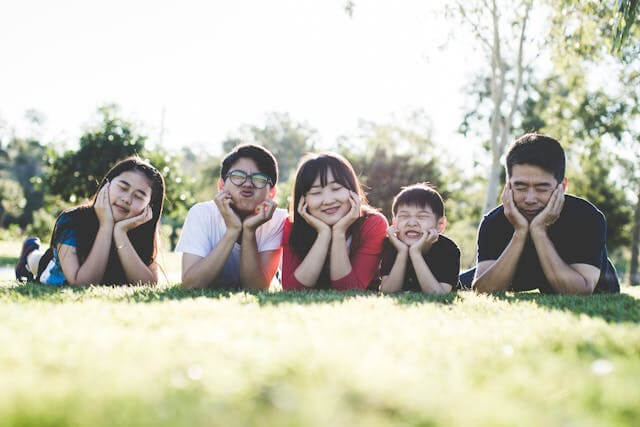


The argument that conventional schools have an advantage in social interaction appears obvious at first glance, but it overlooks the lived experiences of many students and the reasons why increasing numbers of families choose online education.
While children in traditional schools may spend more time physically surrounded by their peers, the quality of those interactions is often overlooked. For many students, school social environments can be challenging rather than enriching. Bullying, intimidation, crowded corridors, social exclusion, and peer pressure are common experiences. Many children struggle to find their place within established friendship groups and can spend years feeling like outsiders, damaging their confidence and self-esteem.
More social interaction does not automatically mean better social interaction. In fact, negative social experiences are a significant factor behind the growing attendance crisis in UK education, with millions of school days lost each year to persistent absence. Many students report fears relating to bullying, intimidation, violence, knife crime, and online harassment that continues long after the school day ends. As a result, some children deliberately withdraw socially to avoid becoming targets, meaning they can feel isolated even while attending a busy physical school every day.
It is also worth questioning how much meaningful social interaction actually occurs during a typical school day. Friends are often separated in lessons to minimise disruption, chatting in corridors is discouraged to prevent lateness and behavioural issues, and break and lunch times have become increasingly structured and, in some cases, shorter. School trips and extracurricular activities have also become less frequent in many settings due to financial pressures, safeguarding concerns, and increasing legal responsibilities placed on school leaders.
Furthermore, much of modern schooling now takes place through digital technology. Learning is increasingly delivered through laptops, tablets, online platforms, and interactive whiteboards. Meanwhile, many of the friendships formed in physical schools are maintained through social media, messaging apps, gaming platforms, and video calls outside school hours. The reality is that screen-based communication already plays a major role in the social lives of most young people, regardless of whether they attend a conventional or online school.
For many students, online schools provide a different type of social environment—one that can feel safer, calmer, and more inclusive. Students who have experienced bullying, anxiety, SEND-related challenges, or social exclusion in traditional settings often find they are more willing to participate, build friendships, and engage with others when the pressures of the physical school environment are removed.
The debate should therefore not be about which model provides the greatest quantity of social interaction, but which provides the highest quality of social interaction for each individual child. For some students, the answer will be a conventional school. For others, an online school may offer a more positive, supportive, and confidence-building social experience.
✅ Children in conventional schools have better opportunities for social interaction.
✅ More interaction does not always mean better interaction.


Every child has unique strengths and needs. Our flexible, student-centred approach ensures that lessons, assessments, and support adapt to each learner’s pace, preferences, and goals. We value variety and promote an inclusive environment, recognising each student’s uniqueness.
Beyond academics, we’re committed to nurturing well-rounded individuals. Our curriculum integrates emotional, social, and global awareness, empowering students to build skills for life. From mindfulness practices to leadership opportunities, our holistic approach prepares students for future success in all areas of life.
Queens Online School is dedicated to supporting students with Special Education Needs (SEN) and Social, Emotional, and Mental Health (SEMH) challenges. With specialised staff, individualised plans, and a compassionate support network, we ensure every student has access to the resources and guidance they need.
Our students connect with peers from around the world, enriching their learning experience through diverse perspectives and friendships. Interactive virtual classrooms and collaborative projects encourage teamwork, curiosity, and a greater understanding of global cultures.
We celebrate diversity and promote acceptance of all backgrounds, creating an environment in which every student feels like they belong. Our curriculum and community-building activities aim at developing empathy, understanding, and respect for one another’s diverse perspectives and cultures.
At the heart of Queen’s Online School is a shared love for learning. Our students, teachers, and families come together to create an inspiring and supportive learning environment that values curiosity, collaboration, and growth. We believe that by embracing differences and lifting each other up, our community can achieve remarkable things.

The real question is not:
“Which school provides the most social interaction?”
It is:
“Which school provides the healthiest, safest, and most positive social experience for my child?”
Every child is different. For some children, a traditional school is the right fit. For others, an online school can provide the confidence, belonging, and supportive friendships they have struggled to find elsewhere.
We believe that teaching and learning are social activities, so we offer more live, face-to-face lessons than any other online school. This ensures students stay engaged, motivated, and receive real-time support.
Every child is unique, which is why we provide a tailored learning experience. Whether your child is excelling or needs extra support, our interactive classes adapt to their individual needs.
We are committed to offering the best value for money. If you find another online school offering the same number of live lessons for a lower fee, we’ll refund the difference! That’s our Queen’s Price Promise – ensuring you get the best education at the best price.
Our teachers are subject specialists dedicated to helping students achieve top exam results and gain admission to the world’s leading universities.
Many families exploring online education are doing so because their child has:
For these students, routine, relationships, consistency, and regular teacher interaction are often critically important.
While independent learning models may suit some learners, many children benefit from:
At Queen’s Online School, we believe technology should support great teaching — not replace it.
That is why our approach focuses on:
We believe online education should still feel like a real school experience:
with real teachers, real relationships, and real human connection.
Before enrolling, families may wish to ask:
These questions can help families choose the learning environment best suited to their child’s needs.
There is no single “perfect” online learning model for every child.
Some learners flourish with high independence and self-directed study.
Others benefit far more from structure, routine, live teaching, and close teacher support.
The key is understanding the difference — and choosing the environment where your child is most likely to feel safe, supported, motivated, and able to thrive.
A nurturing and happy place to learn and make friends