


Inclusion education is a promise that every child belongs, learns and thrives together with peers regardless of ability. It adapts teaching methods, spaces and attitudes to centre each child’s needs and build community. Imagine the relief on a child’s face when they realise they’re not just tolerated but genuinely welcomed.
Understanding Inclusion Education
At its essence, inclusion education isn’t just another policy—it’s a lived commitment to respect and possibility. Classrooms transform to embrace diverse ways of learning, ensuring no one sits on the sidelines and every child feels seen.
In past decades, students with additional support needs were often educated apart, facing isolation and stigma. Today’s inclusive settings tear down those walls, inviting collaboration, warmth and mutual respect.
As our understanding of learning differences grows, schools become more agile. Teachers receive training in differentiated instruction, corridors widen for mobility aids, and lighting or acoustics shift to accommodate sensory preferences. Consider Ethan, who has ADHD: noise-cancelling headphones and a fidget tool helped him focus, turning frustration into excitement for learning.
Consider Mia, who uses a wheelchair. Group activities used to be a challenge until her class introduced adjustable tables and enlisted peer buddies. Almost overnight, she led conversations, her confidence soared, and classmates recognised the value of her perspective.
- Personalised Teaching adapts pace and style around individual strengths
- Modified Environments guarantee physical and sensory access for all
- Collaborative Tasks build social bonds and bolster self-belief
In this setting, friendships flourish across abilities. A sense of safety and belonging sparks genuine curiosity, letting every voice be heard.
Emotional Commitment And Community
Belonging sits at the heart of inclusion education. By valuing each child’s story and feelings, schools cultivate empathy, shared achievements and a strong emotional foundation that lifts both academic results and lifelong social skills. Picture a shy child’s smile when they’re celebrated for a small victory—those moments weave trust and inspire all.
The screenshot below illustrates official definitions and key features of inclusion education from a trusted source.
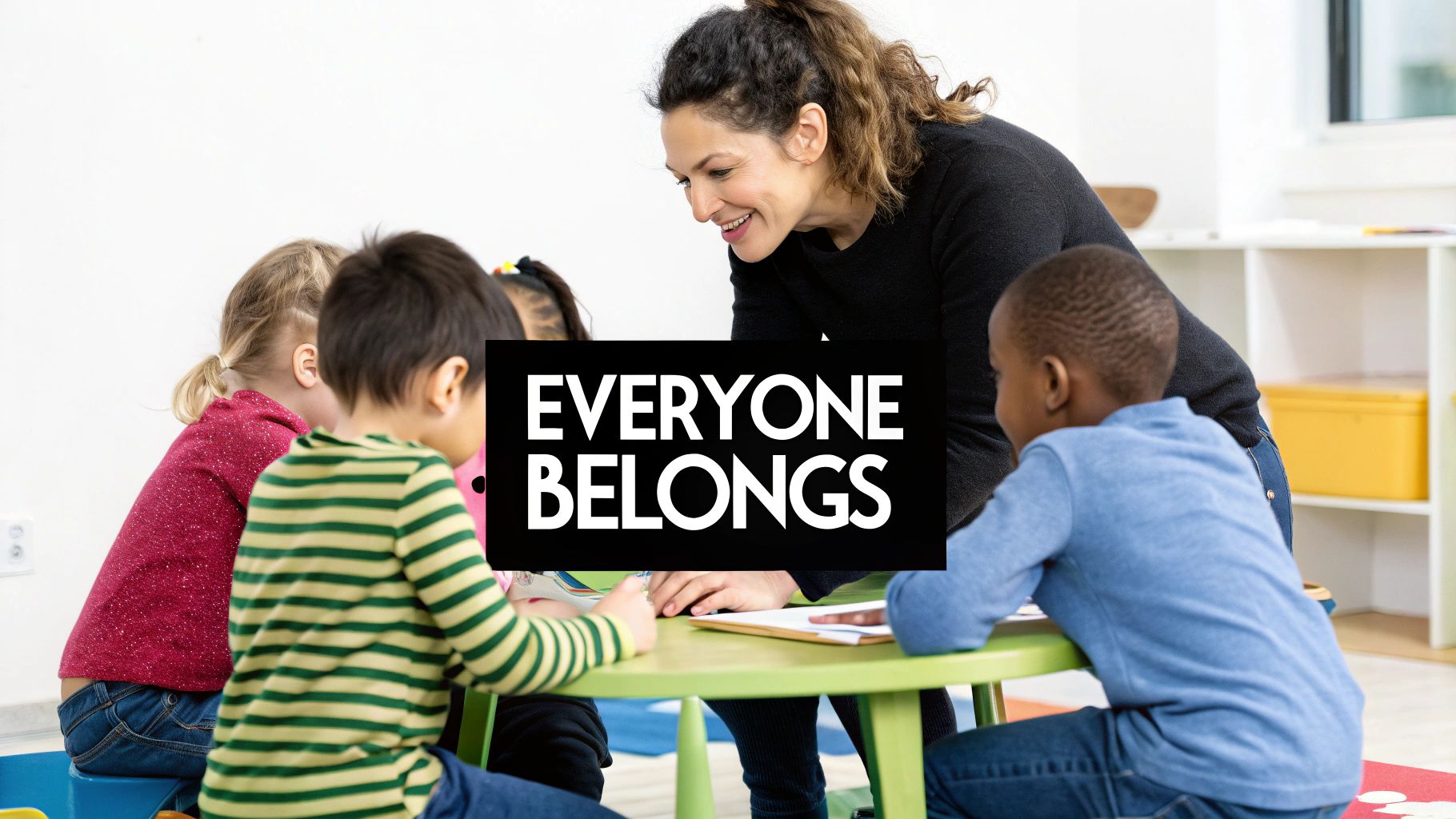
"Inclusion ensures each child's value is truly recognised."
Key Elements Of Inclusion Education Summary
To keep things clear, here’s a quick reference table that captures the heart of inclusion education:
| Definition | Primary Aim | Key Benefits |
|---|---|---|
| A child-centred approach that adapts teaching, spaces and attitudes | To give every child equal opportunity to learn and belong | Stronger community, improved self-esteem, academic access |
This summary highlights how inclusion education:
- Builds self-confidence through peer recognition
- Encourages problem-solving by embracing diverse perspectives
- Reduces stigma and fosters emotional safety in every class
Inclusion education is a promise that every learner matters deeply, every single day.
Understanding Inclusion Education Concepts
Inclusion education means putting each child’s unique needs at the heart of every lesson. It begins by asking, “How does learning feel from a student’s point of view?” and adapting immediately to what they need most.
Imagine a classroom as a wildflower meadow: some blooms crave shade, others thrive in full sun. With the right conditions, every flower can stand tall.
- Personalised Support adapts teaching methods so each learner progresses at their own pace.
- Peer Collaboration invites students to share skills and celebrate differences.
- Accessible Environments ensure both physical and digital spaces welcome everyone.
Key Inclusion Principles
True inclusion isn’t just about seating plans; it’s about genuine participation and shared success.
When a group of neurodivergent learners teamed up to design a story game, they blended creative thinking with problem-solving. Zoe, one of the students, discovered her flair for vivid storytelling. Her classmates rallied around her ideas, and that collective pride lifted everyone’s confidence.
- Student Voice: Involve learners in planning lessons and activities.
- Celebrate Success: Praise every win, however small, to build self-belief.
- Co-Created Goals: Set targets based on each child’s interests and strengths.
Embracing Belonging
Belonging sparks into life when every child feels heard and valued.
A simple daily ritual—like sharing one small achievement—can open the door to trust and connection. Over time, those moments weave together into a richer tapestry of classroom life.
“Every child blossoms when we nurture their unique light.”
Consider Mia’s experience: by highlighting her unconventional art ideas, teachers and peers transformed her sense of isolation into pride. Her parents still speak of the tears of relief when she finally felt seen.
Seeing inclusion as a vibrant garden keeps wellbeing at the core of every lesson.
| Need | Garden Element |
|---|---|
| Peer support | Pollination |
| Flexibility | Sunlight adjustments |
Practical Classroom Example
In one Year 5 class, a dyslexic pupil named Anna was paired with a neurotypical buddy. Audiobooks replaced silent reading, and visual storyboards guided their sessions. Soon, Anna was confidently leading group readings.
- Offer audio and visual resources to engage learners with reading differences.
- Rotate group leaders so each child has a chance to guide.
- Provide instant feedback to celebrate every milestone.
Inclusion education weaves emotional warmth into academic growth. Like a gardener tending each plant, teachers can help every learner flourish with confidence.
“Inclusion education nurtures every learner’s potential.”
At its heart, this is what matters most. Children bloom best when they’re truly seen and supported. Always grow.
Legal Framework And Policy Context
At the heart of inclusive education is a legal safety net, ensuring every child has the right to learn alongside their peers. In the UK, the Children and Families Act 2014 and the SEND Code of Practice serve as cornerstones for this approach. These laws turn broad promises into concrete entitlements for pupils with SEN, centred on each child’s individual needs.
When a young person’s needs meet certain thresholds, they may receive an Education, Health and Care Plan or access SEN Support. An EHCP lays out personalised objectives and funding, while SEN Support delivers timely adjustments within the everyday classroom.
Journey Of UK Inclusion Law
Special needs legislation once meant separate settings and rigid pathways. The 2014 reforms flipped that model, placing inclusion in mainstream schools centre stage and focusing on each child’s unique profile.
- Children and Families Act 2014 secures mainstream education rights for pupils with SEN
- SEND Code of Practice offers practical guidance on assessment and support
- Education, Health and Care Plans (EHCPs) set statutory aims and resource allocations
- SEN Support provides early, adaptable interventions in regular classes
Imagine a school team meeting parents to draft an EHCP. They’ll explore learning preferences, wellbeing needs and home priorities. For instance, Emma’s teacher might suggest speech exercises and peer-supported activities that boost her confidence in class discussions.
For many families, seeing these commitments in writing brings tangible relief.
“Policy that centres a child’s needs brings relief and hope to families.”
In January 2025, England’s school census recorded 1.8 million pupils—19.6% of 9 million—identified with SEN, a slight rise echoing early-2010s figures. Reliable data like this drives targeted action. Discover more insights about these findings on Special Needs Jungle.
Of these pupils, 73% (around 1.3 million) benefit from SEN Support in mainstream settings. Meanwhile, mainstream independent schools saw a 3% rise in SEN numbers between 2024 and 2025.
How EHCP And SEN Support Operate
An EHCP brings together local authorities, families and schools to co-author goals across education, health and wellbeing. Each plan spells out success criteria and allocates resources accordingly, always guided by the child’s voice.
SEN Support, by contrast, thrives on flexibility. Teachers adjust lessons, specialist staff step in when needed, and small-group sessions tackle specific challenges. Learn more about SEN Support in our guide.
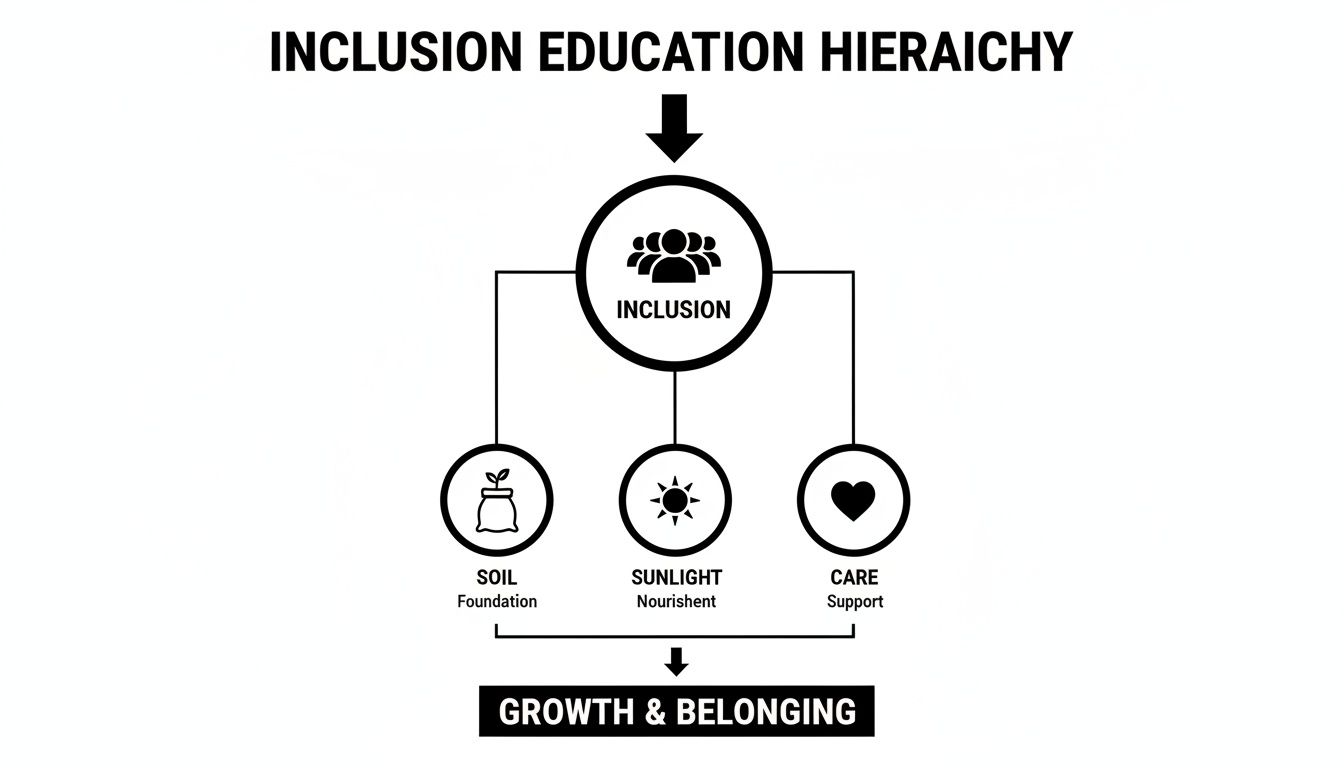
Think of sturdy legal rights as sunlight and water for a garden—without them, inclusive practice struggles to flourish.
These safeguards offer families peace of mind and set clear expectations for schools. Yet it’s ongoing investment in training and funding that transforms policy into everyday practice, ensuring every child’s right to belong becomes a lived experience.
Benefits Of Inclusion Education

When every learner belongs, classrooms become communities rather than just places for lessons. Inclusion is about ensuring each child feels seen, heard and valued—emotionally and academically.
Picture a study group where a dyslexic pupil, brilliant at spotting patterns, works alongside someone who notices every tiny detail. That synergy not only strengthens problem-solving but sparks genuine pride in every participant.
Concrete data backs this up. Schools practising true inclusion report attainment gaps up to 12% narrower than in segregated settings. Friendships deepen, and students celebrate each other’s successes.
- Narrower attainment gaps for fairer academic results
- Stronger peer relationships that foster belonging
- Improved self-esteem as talents are recognised
Short Term Gains
Within weeks, teachers often notice leaps in literacy and numeracy. Year 4 pupils tackling a maths challenge together can outpace peers in traditional classes.
Pairing neurodiverse learners gifts fresh perspectives and speeds up understanding. One study even found inclusive groups pulling ahead by a full term’s progress.
“Seeing my ideas matter gave me a new confidence,” reflects a pupil in a mixed-ability team.
Over 1.5 million pupils in England have SEND—around 16–19% of the school population. Mainstream settings receive on average £6,700 per primary and £7,400 per secondary pupil to support these needs. Explore these figures at the Institute for Government
Long Term Advantages
Inclusion lays the groundwork for skills that exams can’t measure. Collaborative projects teach communication, leadership and creative problem-solving.
Emotional resilience grows as children overcome challenges together. Peer mentoring schemes empower older pupils to guide younger ones, sharpening leadership qualities on both sides.
Research shows adults who experienced inclusive schooling enjoy higher employment rates. They adapt more easily to diverse workplaces and new team dynamics.
Society Wide Impact
When schools mirror society’s diversity, entire communities benefit. Shared education builds trust and compassion among neighbours.
- Career Skills flourish through hands-on teamwork
- Social Cohesion strengthens when diversity feels normal
- Emotional Growth deepens as achievements are shared
Consider Anna, a Year 5 pupil who found her voice in reading circles. With audiobooks and visual supports, she shared stories confidently—and received applause from classmates. That sense of belonging ignited her ambition and purpose.
Inclusive education puts each child’s needs and voice at the heart of learning. It’s a journey that fosters empathy, understanding and shared success.
“Every child belonging enriches our future as a community.”
Strategies For Inclusive Online Classrooms
When we design online spaces with inclusion at their heart, accessibility isn’t an afterthought—it’s the foundation. That means moving beyond one-way lectures into interactive lessons where tools bend to each learner’s needs.
For example, captioned videos let students with auditory processing differences pause, rewind and catch every detail at their own speed. Screen-reader compatibility ensures that learners using assistive software have full access to written materials.
Simple tweaks make a big impact:
- Captioned Videos allowing replay of audio content with text for reinforcement
- Screen-Reader Compatibility so every control and document is navigable
- Adjustable Text Sizes and Contrast Settings to reduce visual strain
Offering multiple formats of a reading passage signals that every learner matters and creates a classroom culture where diversity thrives.
Personalising Engagement And Assessment
A quick emoji reaction or short survey can reveal who’s puzzled or overwhelmed in real time. Moving beyond traditional tests, we open doors to different strengths:
- Virtual presentations that let students explain ideas aloud
- Recorded reflections for those who think best out loud
- Digital portfolios tracking progress and celebrating milestones
This mix helps learners showcase their talents in more ways than a pen-and-paper exam ever could.
Fostering Belonging Online
Social connection blossoms in small groups. Breakout rooms and peer mentoring sessions give students a chance to build trust and support one another.
- Launch virtual clubs—chess, art or any shared passion
- Rotate peer mentors weekly so every student leads and learns
- Invite guest speakers with real-world experiences to deepen empathy
Virtual assemblies bring everyone together. A digital badge or spotlight slide honours achievements publicly, sparking encouragement and camaraderie.
Monitoring Well-Being
Keeping tabs on emotional health is as vital as tracking assignments. Regular mood polls, private surveys and one-on-one chats give teachers a clear picture of how students are feeling.
| Tool | Purpose | Frequency |
|---|---|---|
| Emoji Polls | Quick mood check | Daily |
| Private Surveys | Safe feedback channel | Weekly |
| One-on-One Chats | Deep discussion | Monthly |
Integrating Lived Experiences
Bringing in speakers who’ve navigated learning differences adds genuine perspective. Their stories humanise challenges and demonstrate resilience in action.
“When we celebrated Jamie’s coding milestone, his grin told me I was making a difference.” – Online Tutor
Finally, keep an eye on pacing. Progress dashboards highlight when to slow down or pick up the tempo so no one feels left behind.
You might be interested in our guide on learning in virtual environments for deeper tips on engagement.
Final Tips
- Set clear participation norms—encourage cameras when comfortable but allow avatars for privacy
- Archive recordings with editable transcripts so learners revisit tricky sections at their own pace
- Use quick polls or breakout debriefs to foster peer feedback and maintain motivation
These steps combine adaptive technology, varied assessments and social connection to build an online classroom where every child can shine.
How Queen’s Online School Supports Inclusive Learners
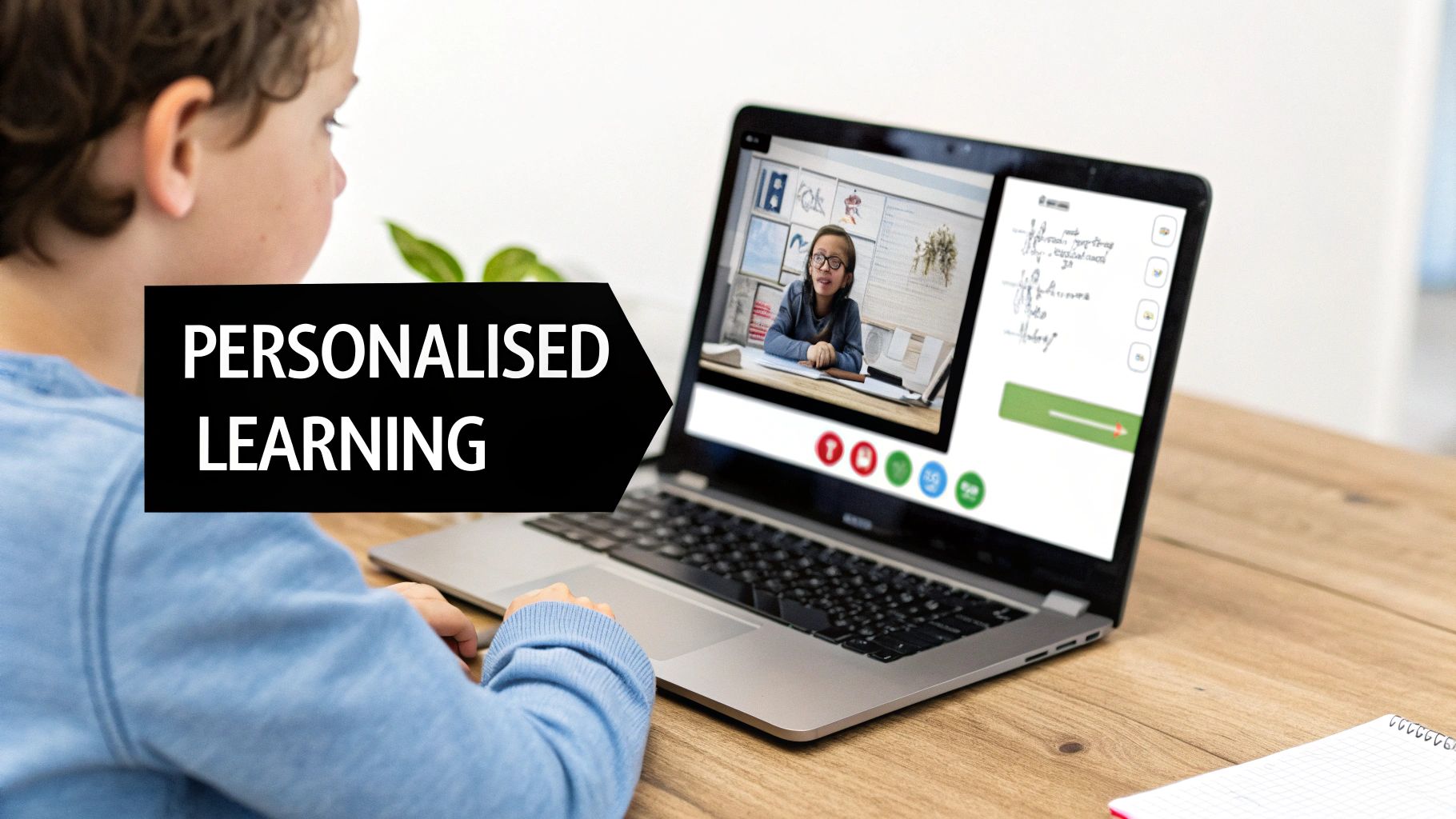
At Queen’s Online School, every lesson revolves around your child’s needs. We pair structured support with confidence-building activities so learners feel ready to tackle each day.
Specialist Support And Training
Our teachers undergo in-depth training in inclusive teaching methods before they lead small online classes. They learn to make sensory tweaks, apply adaptive strategies and collaborate with specialists.
Speech and language therapists join live lessons directly—no more long waits or isolated exercises. Goals are co-created with families and experts, then revisited in regular one-to-one check-ins that keep progress on track.
Jake’s journey illustrates this approach. He joined a small-group video chat to practise conversation. Guided by his coach and peers, he went from anxious to articulate in weeks, his confidence shining through each interaction.
- Differentiated Instruction matches activities to each student’s strengths
- Sensory Toolkit offers practical ways to manage overload
- Collaborative Planning brings parents, therapists and educators together
Demand for inclusive support is growing fast. Over 1.28 million children receive SEND help, and 640 000 hold EHCPs—a 10.8% surge in one year. This spike shows why timely, child-centred care is vital.
Learn more about these findings on GoStudent
Platform Features Promoting Accessibility
Our platform is designed so no learner is left behind.
- Text-to-Speech reads passages aloud, boosting fluency and understanding
- Adjustable Layouts let students tweak fonts, contrast and simplify views
- Live Captioning helps auditory processing and supports EAL learners
- Interactive Quizzes adapt in real time, highlighting achievements and next steps
A community forum connects pupils with mentors and friends. Moderators keep the tone positive, so everyone feels safe to share.
| Feature | Benefit |
|---|---|
| Text-to-Speech | Supports reading and listening |
| Adjustable Layouts | Customises display preferences |
| Live Captioning | Bridges spoken and visual modes |
| Interactive Quizzes | Offers instant, tailored feedback |
Each student creates an Accessibility Profile—saving their preferred reading speed, audio settings and layout across devices. This means less time on setup, more time on learning.
Parent And Learner Testimonials
Parents often tell us the speed of our response changes everything. Bespoke adjustments arrive in days, not months.
Take Sofia, an A-Level student. Multisensory modules, real-time prompts and gamified quizzes let her master tricky concepts at her own pace. When her science assignment lit up with instant feedback, she beamed.
“When Sofia’s science assignment lit up with instant feedback, she smiled for the first time this term,” recalls her mother.
Then there’s Liam, who battled sensory overload. One-on-one check-ins and adjustable soundscapes helped him focus. Today he confidently leads virtual labs, proud of each discovery.
Weekly drop-in calls and parent forums build a supportive community beyond class time. Every small win—whether a greeting in chat or a completed project—is celebrated in our live assemblies.
Upcoming events include:
- Webinar on Speech and Language Integration
- Live Demo of Multisensory Lesson Modules
- Workshop on Building Social Skills Online
Spaces fill quickly—reserve your place now.
Calls To Action And Resources
Download our free Parent’s Inclusion Guide for step-by-step strategies.
Sign up for the Inclusive Learning webinar series, running monthly.
Join the conversation and swap tips with other parents in our community forum.
Each resource keeps your child’s growth at the heart of everything we do. Explore how Queen’s Online School supports inclusive learners by visiting https://queensonlineschool.com/online-courses-sen/.
Join us today.
FAQ
How Does Inclusion Education Benefit My Child?
Inclusion isn’t just a buzzword—it’s about giving every pupil a genuine sense of belonging. When lessons revolve around your child’s strengths, you’ll often see confidence blossom alongside academic progress. Research even shows up to 12% narrower attainment gaps, plus stronger friendships and a real boost in self-esteem. These are life skills that outlast any exam result.
“When my son felt seen, his enthusiasm for learning soared,” shares a parent.
What Support Can We Expect in Mainstream Settings?
Most schools now embed SEN Support into everyday classes, with specialist staff popping in for advice. Early interventions might include small-group catch-ups, speech therapy sessions or a calm corner for reflection. Once parents and teachers agree on a clear plan with regular check-ins, worry often turns into relief.
- Regular reviews involving parents and teachers
- Access to tailored resources like audiobooks and visual aids
- Specialist outreach from therapists or counsellors
Key Adaptations
How Do Teachers Adapt Lessons for Diverse Needs?
Effective teachers use differentiated instruction—think of it as a recipe adjusted to each learner’s taste. They blend videos, hands-on experiments and peer projects. By inviting pupils to co-create targets, lessons stay relevant, engaging and motivating.
What Should Parents Look For in a Truly Inclusive School?
As you scout schools, watch for:
- Staff trained in inclusive pedagogy and empathy
- Clear communication channels for sharing concerns
- Visible adaptations in lesson plans and classroom layout
- A culture where every child’s voice is valued
Join a school tour and ask to observe a mainstream lesson. Notice if pupils of all abilities are connecting, collaborating and celebrating each other’s wins.
For deeper exploration, visit our guide on inclusion strategies at Queen’s Online School resources.
Families can also download a handy checklist covering physical access, staff training and resource provision. It’s a great tool to involve your child in making decisions.
Ready to give your child the support they deserve? Discover how Queen’s Online School puts inclusion at the heart of learning: Queen’s Online School website